
Riyas Ali
There is a saying in China that to know a place, you must first eat its food. Spend any time travelling across this vast, bewildering, magnificent country and you will understand exactly what that means. Chinese food in China bears almost no resemblance to the sweet-and-sour takeaway boxes of the western world. It is regional, seasonal, fiercely local, and endlessly surprising. A bowl of noodles in Xi'an tastes nothing like a bowl of noodles in Chengdu. What they eat for breakfast in Shanghai would not appear on a dinner table in Beijing. This is not one cuisine. It is dozens, layered on top of one another across 1.4 billion people and thousands of years of culinary history.
This guide is for anyone planning a trip to China and wanting to eat properly, not just safely. Because eating properly in China is one of the great pleasures available to a traveller anywhere in the world.
Start With the Regions. Everything Flows From There.
Chinese cuisine is traditionally divided into eight great regional schools, each shaped by geography, climate, and history. You do not need to memorise all eight, but understanding the broad strokes saves you from expecting Sichuan food in Guangdong or vice versa.
Sichuan cuisine is the one that gets people talking. Built on the numbing, tingling spice of the Sichuan peppercorn combined with dried chillies, it produces dishes that are genuinely unlike anything else in the world. The sensation is called "mala" meaning numb and spicy, and once you have experienced a proper Sichuan hot pot or a plate of Mapo tofu, it tends to become something of an obsession.
Cantonese cuisine, from Guangdong province in the south, is the one that most influenced the Chinese food found abroad. It is lighter, less aggressively spiced, and places enormous value on the natural flavour of ingredients. Dim sum, the culture of small dishes served with tea during morning or midday, comes from here. A proper Cantonese dim sum spread, with har gow (steamed prawn dumplings), siu mai, char siu bao, and turnip cake, is one of the genuinely non-negotiable eating experiences in China.
Shanghainese cuisine is sweet and rich. The city's famous red-braised pork belly, hong shao rou, is essentially pork slow-cooked in soy sauce, Shaoxing wine, and sugar until it falls apart. Shanghai is also where you find the legendary soup dumplings, xiaolongbao, which have become so famous globally that the original somehow still manages to surprise people when they eat it in the city where it was born.
Beijing cuisine is imperial in feel if not always in practice. Peking duck, roasted to a lacquered mahogany finish and wrapped with spring onion and hoisin in thin pancakes, is the city's signature dish and one of the most recognisable preparations in all of Chinese cooking. The capital also has a strong tradition of northern wheat-based foods: hand-pulled noodles, stuffed buns, and dumplings that are heartier and doughier than their southern counterparts.
The Street Food. Do Not Skip It.
Anyone who tells you to avoid street food in China is giving you very bad advice. Some of the most exciting eating in the country happens at roadside stalls, night markets, and hole-in-the-wall spots that would never appear in a guidebook.
Look out for these wherever you travel:
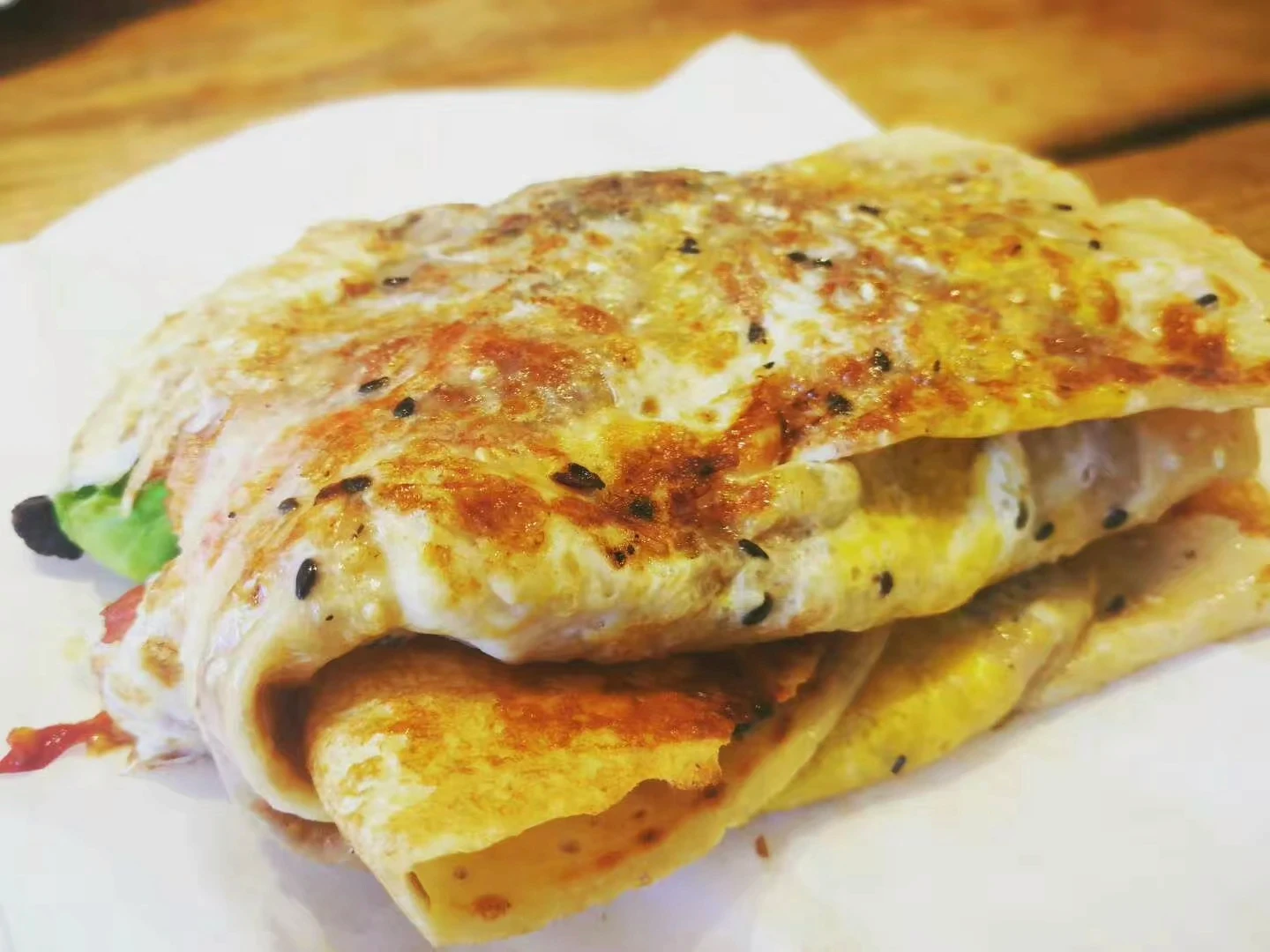
Jianbing — A savoury crepe cooked on a flat griddle, filled with egg, crispy fried wonton, spring onion, chilli paste, and hoisin. The quintessential Beijing street breakfast.
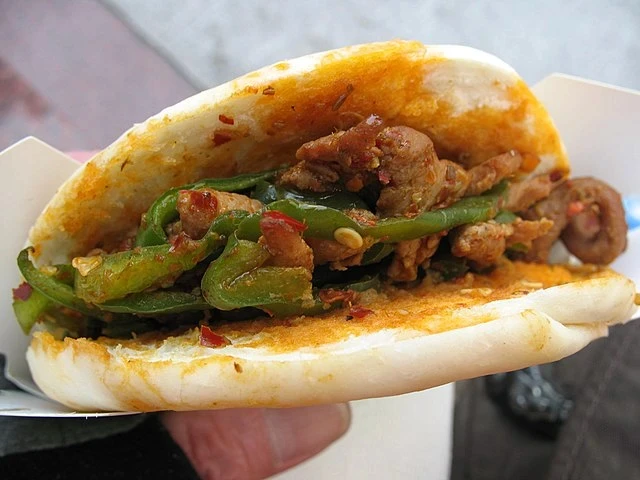
Roujiamo — Often called a Chinese burger, this is slow-braised spiced meat stuffed into a flatbread. Xi'an is the city to eat it in.
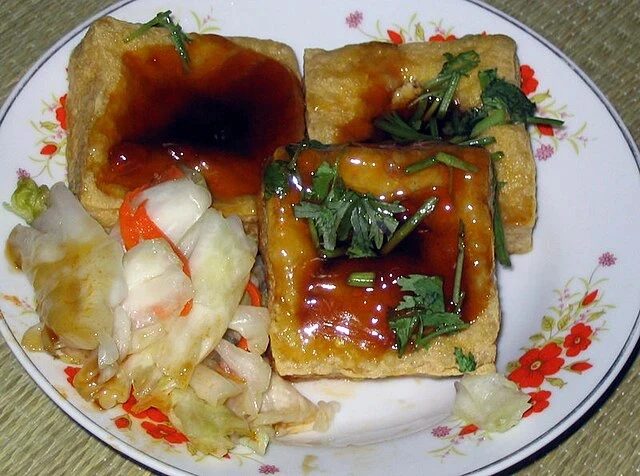
Stinky tofu — The smell is alarming, the taste is extraordinary. Fermented, deep-fried, and eaten with chilli sauce, it is a staple of Changsha's night markets.
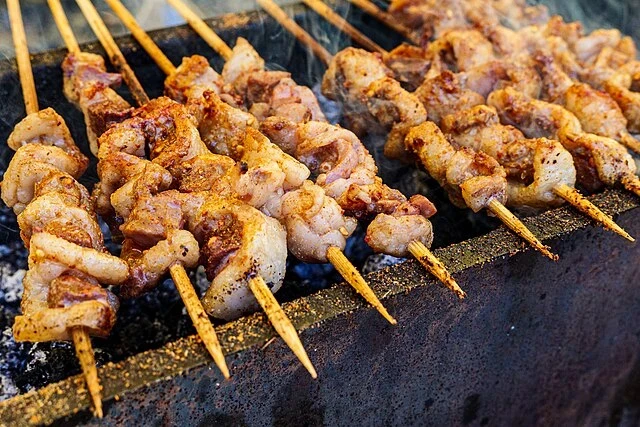
Chuan'r — Cumin-spiced lamb skewers, grilled over charcoal. The influence here is from China's Xinjiang region in the northwest, but you will find these skewers across the country at night.
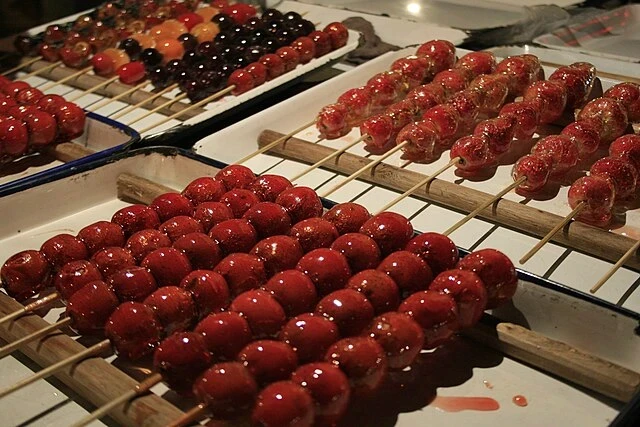
Tang hulu — Skewered hawthorn berries coated in a hard sugar glaze. A northern Chinese street snack that doubles as an edible work of art.
What to Drink
Tea is not a drink in China. It is a culture. Every region has its own varieties and traditions: green teas from Hangzhou, oolong from Fujian, pu-erh from Yunnan. Sitting down to a proper tea ceremony, even an informal one, changes the way you think about what tea can be.
For something stronger, baijiu is the spirit of China. Clear, made from grain, and ranging from roughly 40 to 60 per cent alcohol, it is an acquired taste that rewards persistence. The most famous variety, Moutai, is served at state banquets and costs accordingly. Local varieties at regional restaurants are often perfectly good and considerably more affordable.
Eating Etiquette Worth Knowing
A few things that will help you navigate the table without confusion. Dishes in China are almost always shared, arriving at the table together rather than in courses. It is considered perfectly normal, even respectful, to reach across and serve others before yourself. Slurping noodles is not impolite. Refusing food offered by a host repeatedly is, however, considered a small slight, so accepting a taste of something even if you are uncertain is generally the done thing.
Chopsticks should never be left standing upright in a bowl of rice as this resembles incense sticks placed for the deceased, a deeply inauspicious image at a dining table.
Planning the Trip: Where Best China Tour Packages from Kerala Come In
China is enormous, and eating your way through it properly requires a route that is planned with real care. If you are travelling from South India and looking for best China tour package from Kerala that actually factor in food culture alongside sightseeing, choosing the right travel partner makes all the difference between a surface-level trip and one that goes genuinely deep.
A well-constructed itinerary would route you through Beijing for the duck and the dumplings, across to Xi'an for the Muslim Quarter's astonishing street food, down to Chengdu for the mala hot pot experience, and south to Guangzhou or Hong Kong for the definitive dim sum. Shanghai deserves a stop for the xiaolongbao alone.
Ready to Go? Skytime Tours and Expeditions Can Take You There
If you are serious about making this trip happen, reach out to Skytime Tours and Expeditions, a travel company that understands the difference between booking a flight and actually crafting a journey. From tailor-made itineraries that weave through China's greatest culinary cities to group tours that handle every logistical detail so you can focus entirely on the eating, Skytime brings genuine expertise to one of the world's most rewarding travel destinations.
China rewards preparation and punishes vagueness. Go with people who know it well, eat with curiosity and without hesitation, and you will come back changed in the best possible way.
Frequently Asked Questions
Posts You Might Like
Need Help With Your Next Trip?
INR 165,000.00
Per Adult
4.7
(3.9K)
Customize