
Riyas Ali
Dumplings are one of the most loved foods across the world. Simple in concept yet rich in variety, they are found in many cultures, each with its own style, flavour, and story. From street food stalls in Beijing to family kitchens across Asia and Europe, dumplings bring comfort, tradition, and taste together in one bite.
If you have ever wondered what dumplings really are, how many types exist, and what goes inside them, this guide answers everything in a clear and engaging way.
Dumpling Meaning
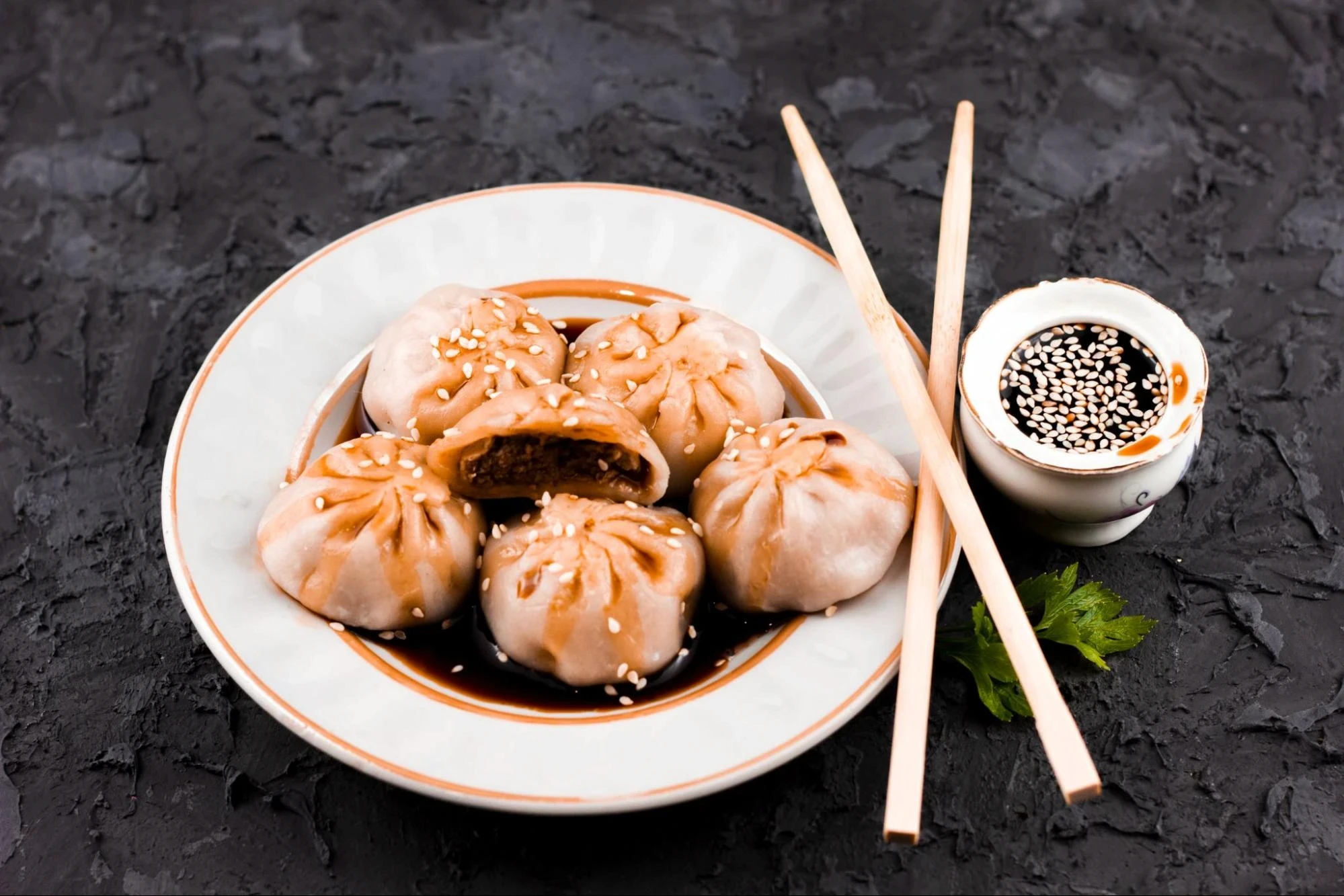
A dumpling is a small piece of dough that is either wrapped around a filling or cooked on its own. The dough can be made from flour, potatoes, or even bread, and it is usually boiled, steamed, fried, or baked.
In simple terms, dumplings can be:
Filled with meat, vegetables, or sweet ingredients
Plain dough cooked in soups or stews
The beauty of dumplings lies in their versatility. They can be savoury or sweet, light or rich, depending on how they are prepared.
Types of Chinese Dumplings
China is famous for its wide range of dumplings, each with a unique texture and cooking method. Here are the most popular types:
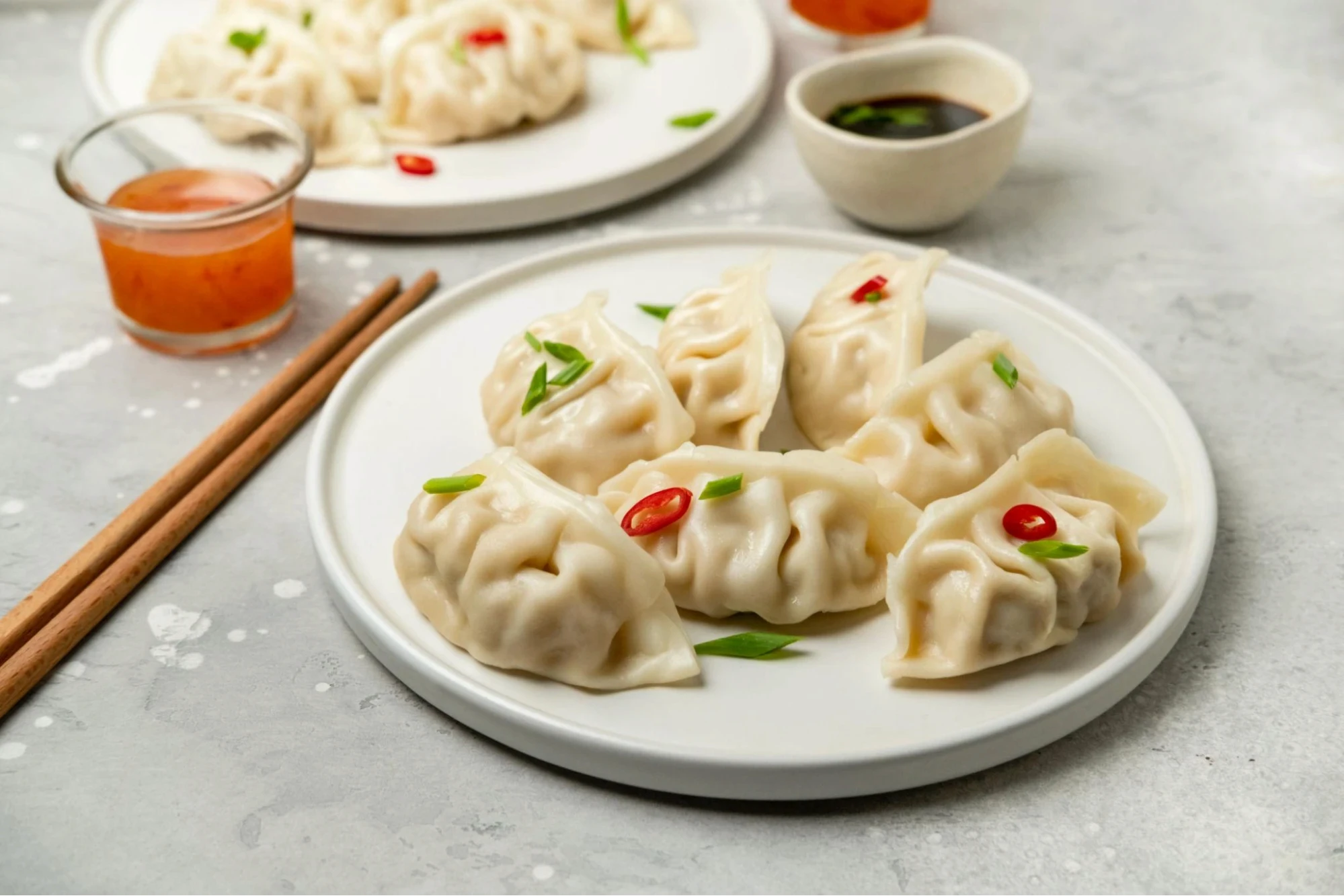
Jiaozi
Jiaozi are the most common Chinese dumplings. They are crescent-shaped and filled with minced meat and vegetables. They are usually boiled or pan-fried.
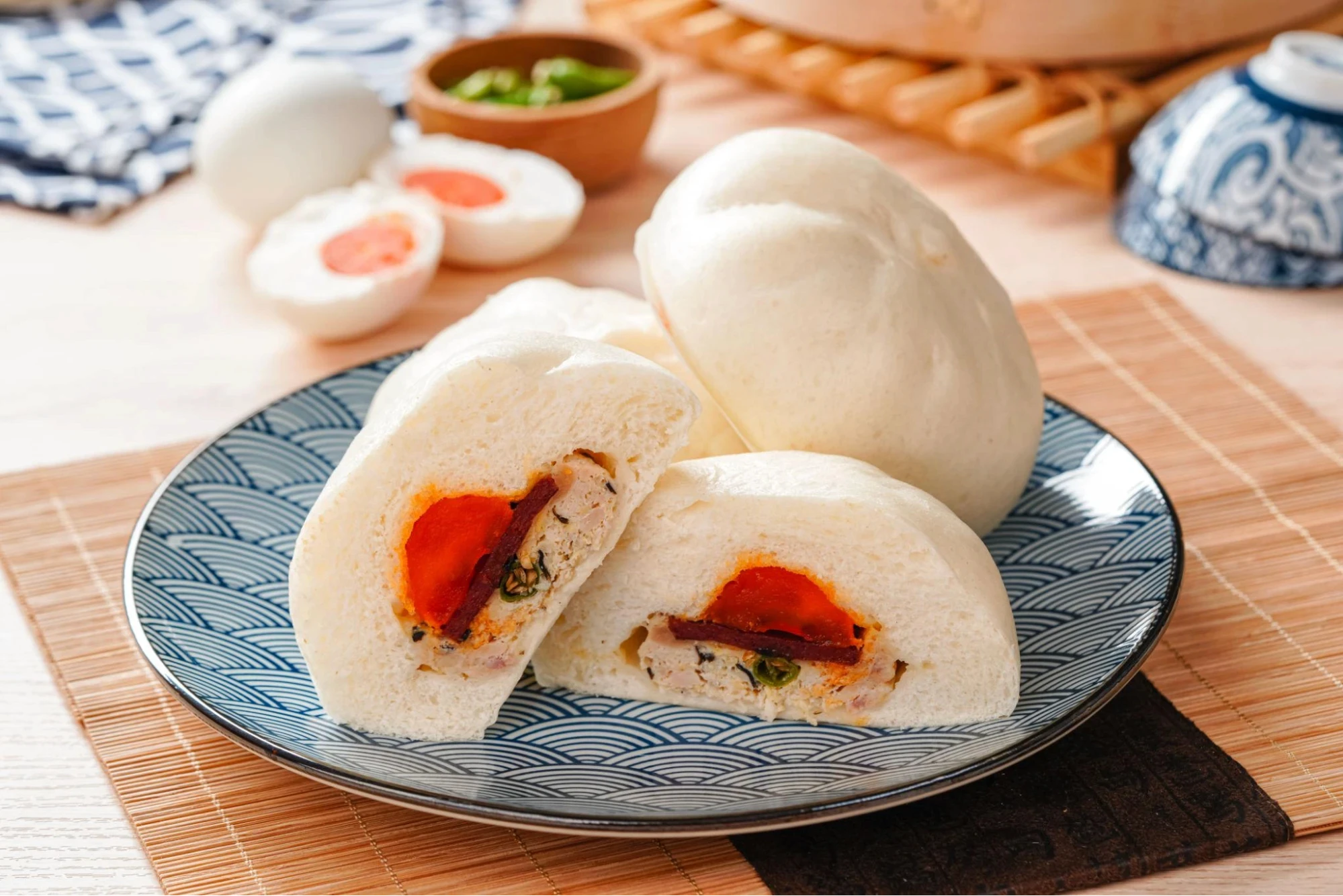
Baozi
Baozi are soft, fluffy dumplings made with yeast dough. They are larger than jiaozi and are always steamed. Fillings can be savoury or sweet.
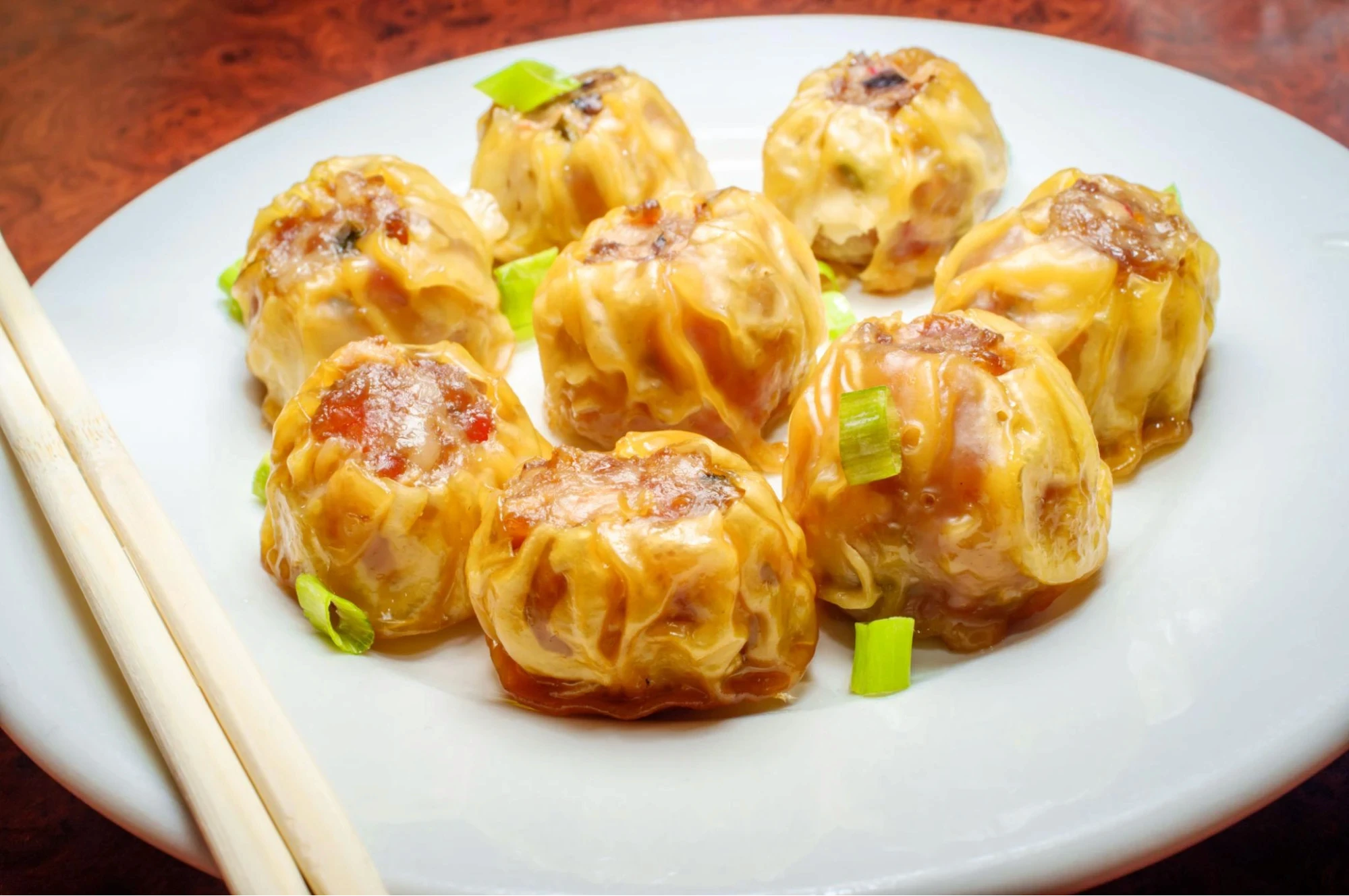
Shumai
Shumai are open-top dumplings, often filled with pork or shrimp. They are steamed and commonly served in dim sum.
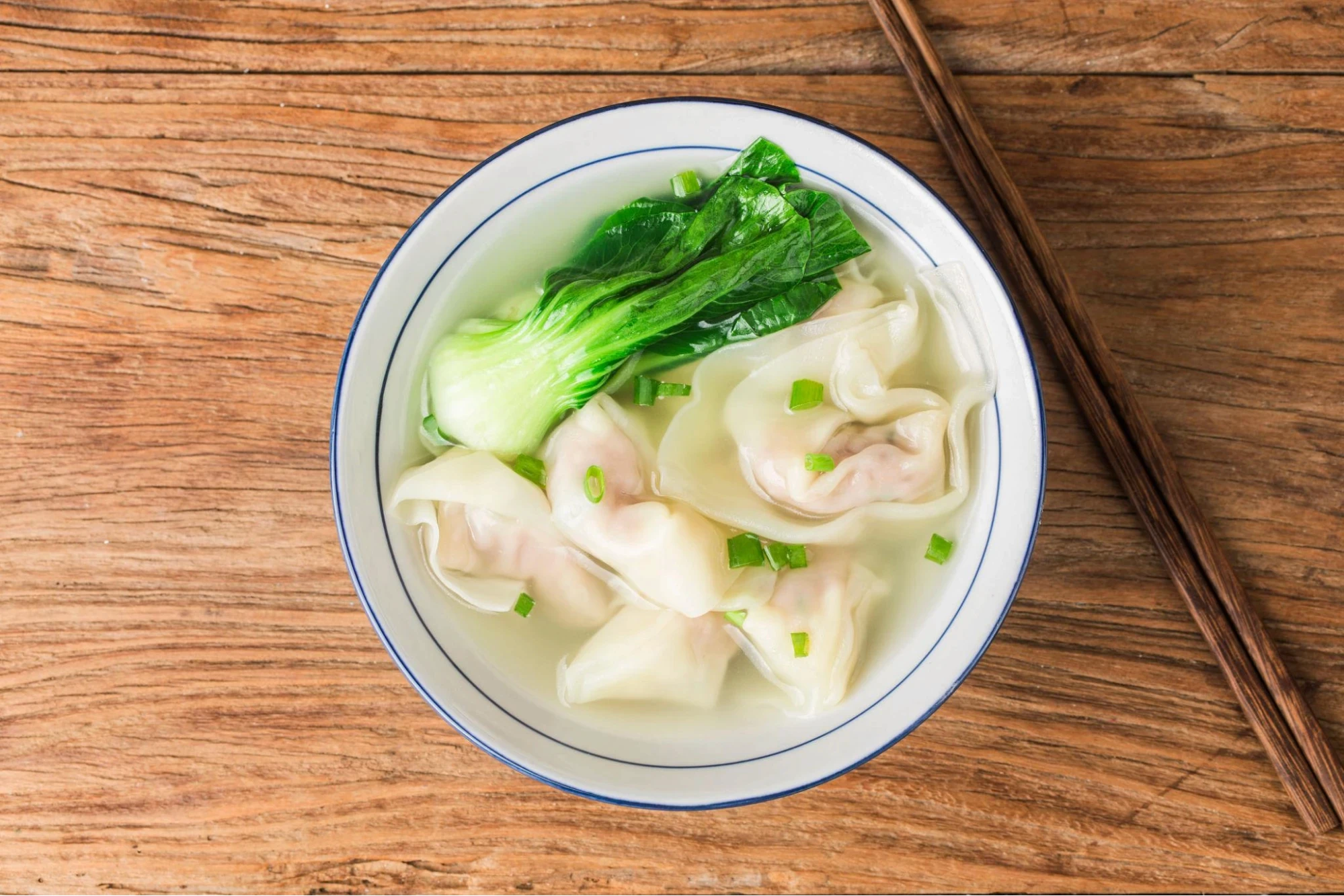
Wontons
Wontons are thin dumplings usually served in soup. They have delicate wrappers and are filled with minced meat or seafood.
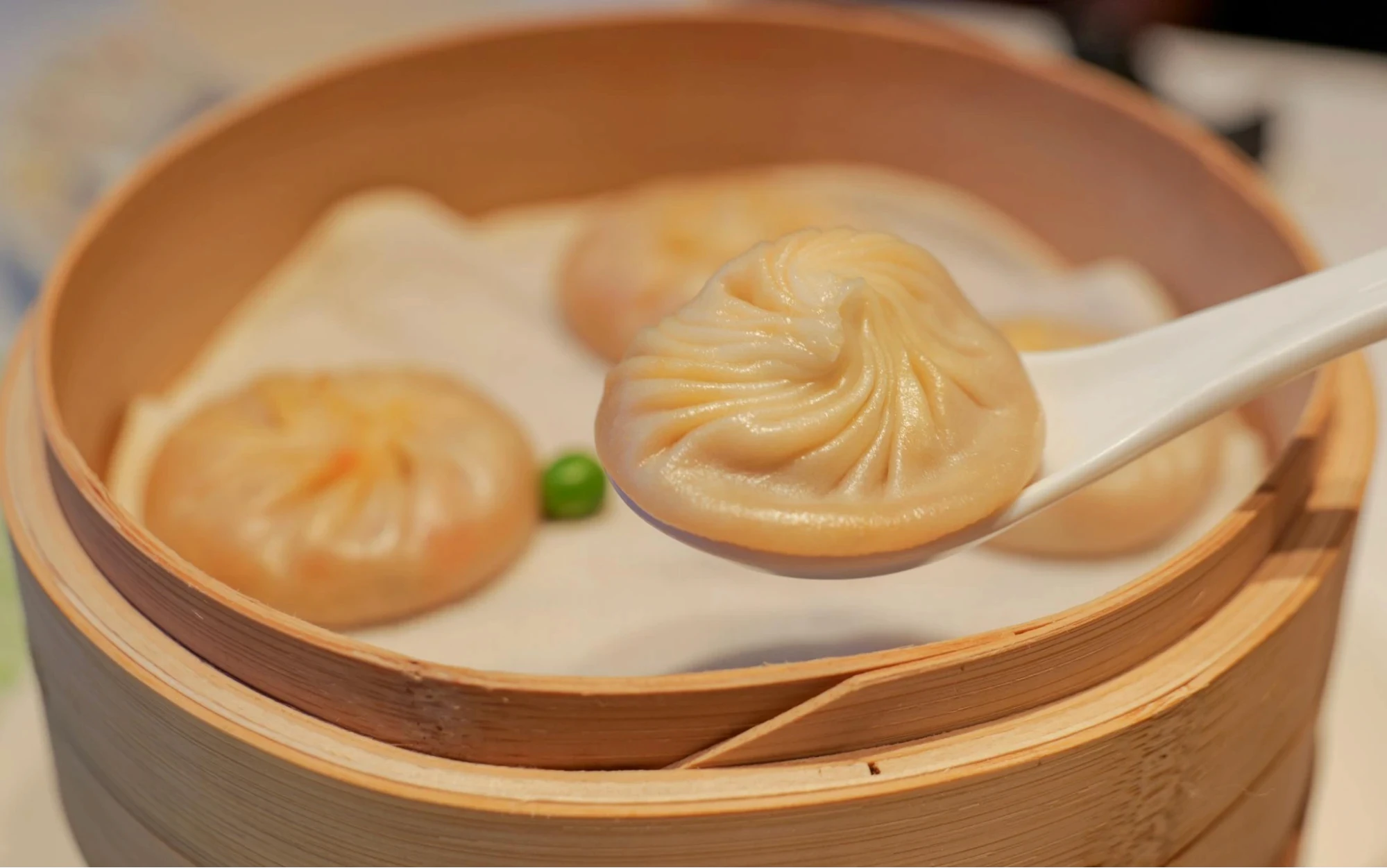
Xiaolongbao
These are soup dumplings filled with meat and hot broth inside. When you bite into them, the soup bursts out, making them a unique culinary experience.
Chinese dumplings are not just food. They are deeply connected to festivals, especially Chinese New Year, where they symbolise wealth and prosperity.
Different Types of Dumplings Chart
Here is a simple way to understand dumplings based on preparation and origin:
By Cooking Method:
Boiled dumplings
Steamed dumplings
Fried dumplings
Baked dumplings
By Structure:
Filled dumplings
Unfilled dough dumplings
By Region:
Chinese dumplings like jiaozi and baozi
Japanese dumplings like gyoza
Korean dumplings like mandu
European dumplings like pierogi and gnocchi
This variety shows how dumplings have evolved across cultures while keeping the same basic idea.
Types of Dumplings Filling
The filling is what gives dumplings their flavour and identity. There are endless combinations, but here are the most common ones:
Meat Fillings
Pork with cabbage
Chicken with herbs
Beef with onions
Lamb with spices
Seafood Fillings
Shrimp with garlic
Fish with ginger
Crab mixtures
Vegetarian Fillings
Mushrooms and cabbage
Spinach and tofu
Carrots and glass noodles
Sweet Fillings
Red bean paste
Sesame paste
Fruit fillings
The choice of filling often depends on regional preferences and cultural traditions.
Why Dumplings Are So Popular
Dumplings are popular for several reasons:
They are easy to customise
They can be made in large batches
They suit both everyday meals and special occasions
They offer a perfect balance of carbs, protein, and flavour
They are also a social food. In many cultures, families gather to prepare dumplings together, making the process as meaningful as the meal itself.
Dumplings Around the World
While Chinese dumplings are the most well-known, many countries have their own versions:
Japan has gyoza, which are similar to pan-fried dumplings
Korea has mandu, often filled with kimchi or meat
Italy has ravioli, filled pasta dumplings
Poland has pierogi, often stuffed with potatoes or cheese
This global presence shows how the dumpling concept has been adapted in different ways.
Experiencing Dumplings in China
If you truly want to understand dumplings, the best way is to taste them in their place of origin. Street markets, local restaurants, and traditional kitchens in China offer an authentic experience that goes beyond flavour.
Travelling through curated China tour packages from Kerala allows you to explore regional cuisines, try different types of dumplings, and even watch how they are made.
From steaming baskets of baozi in the morning to sizzling pan-fried dumplings in the evening, every meal tells a story.
Tips for Enjoying Dumplings
Always check the cooking method before eating
For soup dumplings, take a small bite first to release the steam
Pair dumplings with dipping sauces like soy sauce, vinegar, or chilli oil
Try different fillings to understand the variety
Being open to new flavours makes the experience more enjoyable.
Final Thoughts
Dumplings are more than just a dish. They are a cultural symbol, a comfort food, and a culinary art form. Whether steamed, fried, or boiled, each type offers a unique taste and texture.
Understanding the different types of dumplings and their fillings helps you appreciate the diversity behind this simple yet fascinating food.
Plan Your Culinary Journey
If you are inspired to explore authentic dumplings and Chinese cuisine, travelling with the right team makes all the difference.
Choose Skytime Tours & Expeditions for a well-planned and enriching travel experience. Known among the best tour operators in Kerala, they help you discover China’s culture, food, and traditions with ease and comfort.
Frequently Asked Questions
Posts You Might Like
Need Help With Your Next Trip?

INR 165,000.00
Per Adult
4.7
(3.9K)
Customize