
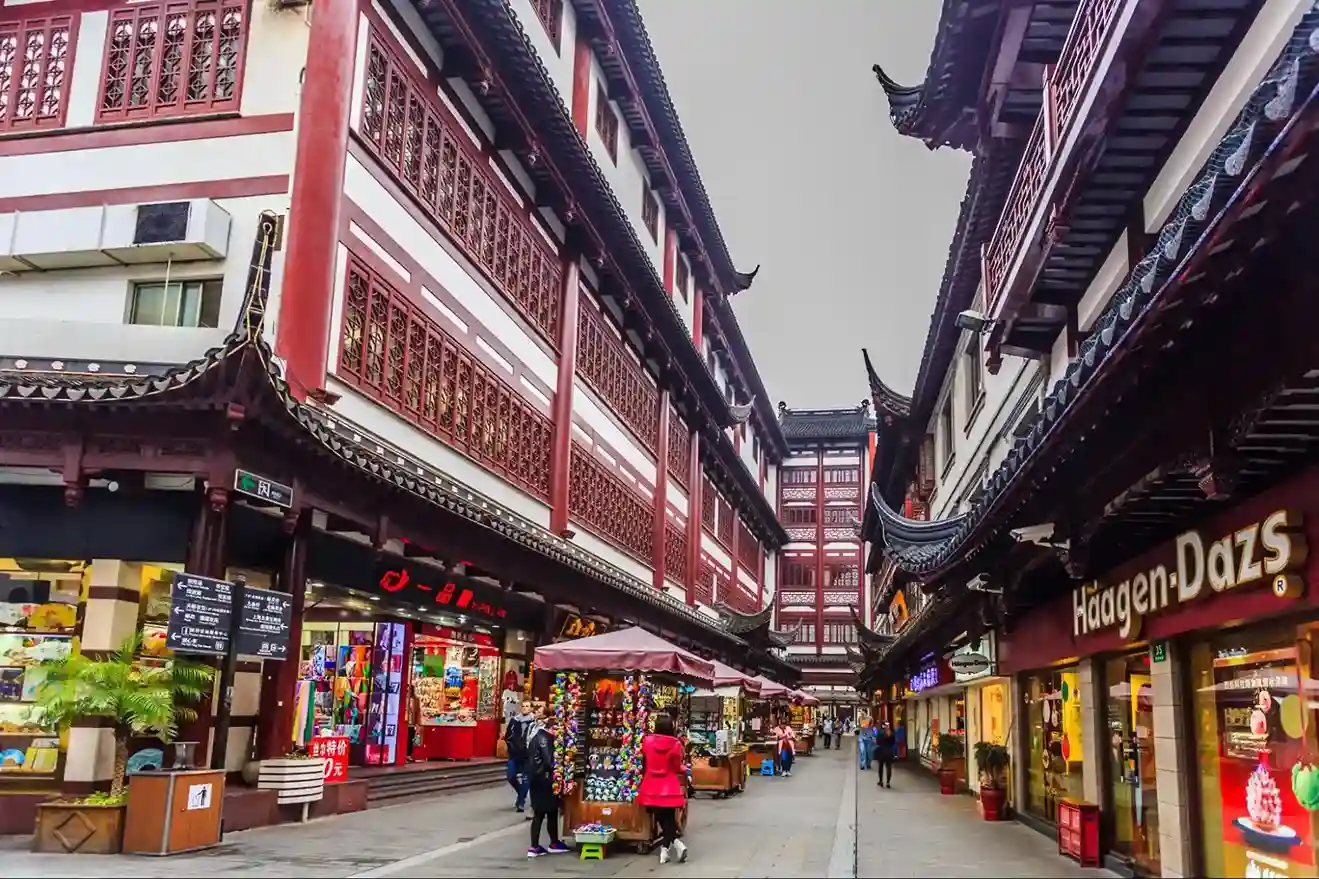
Riyas Ali
Let's be honest. Most people visiting China spend the first two days taking photos of the Great Wall and the next five days shopping like it's their last day on Earth. And honestly? That's a totally valid life choice.
China is one of the world's great shopping destinations. But here's the thing: it can also be one of the most confusing. Prices aren't always marked. Bargaining is expected in some places and rude in others. And if you don't know what's genuinely cheap versus what just looks cheap, you can easily end up overpaying or hauling home low-quality junk.
This guide cuts through all of that. Whether you're wondering what brands to buy in China, hunting for the best electronics, or figuring out what to grab at the airport on your way out, we've got you covered.
How to Shop in China: The Rules of the Game
Before we talk about what to buy, let's talk about how to shop. Because walking into a Chinese market without knowing the basics is like playing chess without knowing how the pieces move.
1. Know Where You're Shopping
China has three very different shopping environments:
Fixed-price stores and malls: big brands, department stores, official flagship stores. No bargaining. What you see is what you pay.
Markets and small shops: bargaining is expected and prices are often inflated 3 to 10 times the real price to start.
Online (Taobao, JD.com, Pinduoduo): incredibly cheap, but you'll need a Chinese payment method or a helpful local.
2. Always Counter Low
At markets, the first price quoted is never the real price. A common rule of thumb: start your counter-offer at 30 to 40% of the asking price. They'll act offended. That's part of the process. Be friendly, be firm, and be willing to walk away. Walking away is your most powerful tool, and most vendors will call you back with a better price.
3. Use WeChat Pay or Alipay
Cash is surprisingly less useful in modern China than you'd expect. Many smaller vendors don't want it. Set up WeChat Pay or Alipay before your trip (ask a local friend or your hotel to help link a card). You'll get better service and smoother transactions almost everywhere.
4. Download a Translation App
Google Translate with camera mode is your best shopping companion. Point it at a price tag, a product description, or an ingredient label and it translates in real time. This alone will save you from countless bad purchases.
5. Don't Shop at Tourist Traps
The stalls right outside major landmarks (Tiananmen Square, West Lake, the Bund) exist purely to sell overpriced trinkets to tourists. They're convenient, sure. But you'll pay a massive premium. Walk five minutes in any direction and prices drop dramatically.
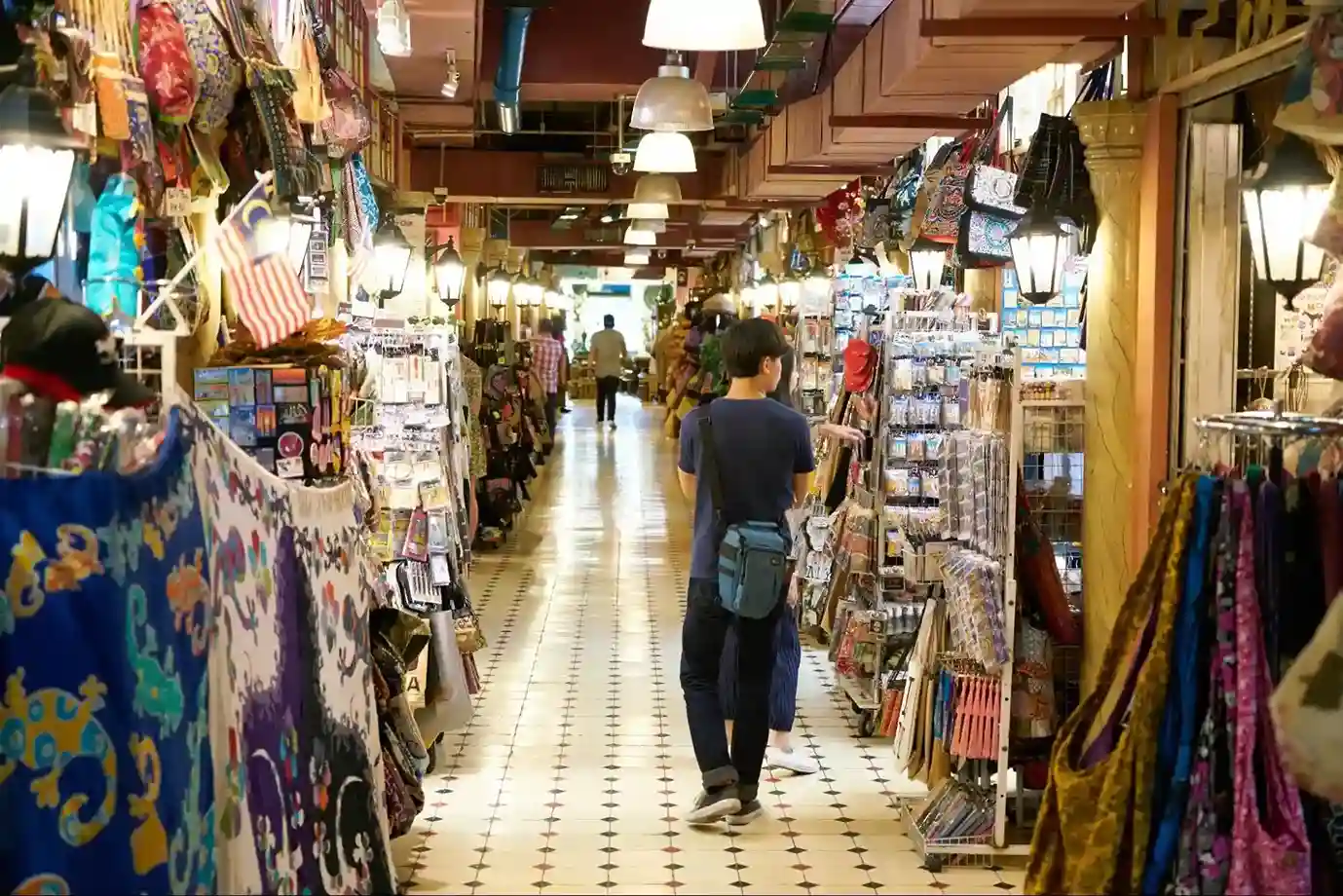
What Brands to Buy in China
This is one of the most searched questions among China-bound travellers, and for good reason. If you are travellig with any China tour packages, they will help you identify the cheap brands that sell quality products to shop for. Some brands are legitimately cheaper in China. Others are the same price or more expensive once you factor in currency. Here's the breakdown:
Chinese Brands Worth Buying
These are homegrown brands that offer incredible quality-to-price ratios and are often hard to find (or much pricier) outside China:
Huawei: Smartphones, tablets, and wearables. Cutting-edge hardware at prices well below comparable Western brands.
Xiaomi: Everything from phones to electric scooters to rice cookers. Xiaomi's ecosystem of smart home products is genuinely impressive and affordable.
Proya and Florasis: Chinese beauty and skincare brands that have gone viral globally. Florasis in particular does gorgeous traditional Chinese aesthetics in their packaging.
Li-Ning and Anta: Chinese sportswear brands that have exploded in popularity. Think of them as China's answer to Nike. Stylish, well-made, and much cheaper in China than abroad.
Moutai and Baijiu: If you drink spirits, picking up a bottle of premium Chinese baijiu (especially Moutai) as a gift or for personal use is a classic move.
Shaxian Snacks and local food brands: Packaged teas, specialty snacks, dried mushrooms, and preserved foods make fantastic gifts and are priced very reasonably.
International Brands in China
Luxury goods like Louis Vuitton, Chanel, or Rolex are generally not cheaper in China. In fact, due to import duties, they're often more expensive than buying in Europe. Skip these.
Best Electronics to Buy from China
This is the big one. China is the manufacturing capital of the world, and for electronics, the savings can be significant. But you need to be strategic about it.
What's Actually Worth Buying
Smartphones Chinese Android phones (Xiaomi, OPPO, Vivo, OnePlus, Huawei) offer flagship-level specs at mid-range prices. You can often get a model that hasn't launched internationally yet, at a price 20 to 40% lower than its Western equivalent. Just check that it supports your home country's 4G/5G bands before buying.
Earbuds and Headphones Brands like Edifier, 1MORE, and Xiaomi Buds offer audiophile-quality sound at shockingly low prices. A pair of 1MORE earbuds that might cost $80 to $100 abroad can be found for $30 to $40 in China.
Drones DJI is headquartered in Shenzhen, China. Buying a DJI drone in China can save you anywhere from $50 to $200 depending on the model. Just check customs rules before flying home with one.
Smart Home Gadgets Robot vacuums, smart plugs, air purifiers, LED strips. The Xiaomi ecosystem of smart home products is extraordinary value in China. Many are compatible with international Wi-Fi standards.
Action Cameras Insta360 is a Chinese brand making world-class action cameras. Prices in China are noticeably lower than international markets.
What to Avoid
Counterfeit electronics in street markets. They look real, they don't last.
Unlocked phones without checking frequency band compatibility
Products with Chinese-only software that can't be changed to English
Best Places to Buy Electronics:
Huaqiangbei Market in Shenzhen: the world's largest electronics market. Absolutely mind-blowing.
Zhongguancun in Beijing: electronics hub with legitimate retailers
JD.com or official brand stores: if you want guaranteed authenticity
What to Buy at China Airport
Running out of time? The airport is actually better than people think, especially for a few specific categories.
Good airport buys:
Baijiu and Chinese spirits: Duty-free prices are competitive and the selection is curated
Premium teas: Beautifully packaged oolong, pu-erh, or Dragon Well green tea sets make perfect gifts
Silk products: Scarves, ties, and small accessories in gift-ready packaging
Snacks: Panda-shaped cookies, White Rabbit candy, spicy duck neck, preserved plums. All great gifts that pack flat.
Local cosmetics: Florasis, Dr. Yu, and Winona are increasingly popular internationally and airport prices are fair
Panda plushies: Yes, they're touristy. Yes, everyone loves them.
Skip at the airport:
Electronics (overpriced compared to Huaqiangbei or even city malls)
Jade jewelry (authenticity is hard to verify and prices are high)
Designer goods (no meaningful discount)
Pro tip: Shanghai Pudong and Beijing Capital airports have some of the best duty-free selections in Asia. If you're flying out of a smaller regional airport, buy your gifts before you get there.
Smart Money Tips for Shopping in China
Set a budget before each market visit and carry only that much cash. It prevents impulse overspending.
Buy in bulk when possible. Most vendors will drop prices further if you're buying multiple items.
Compare prices online first. Search the item on Taobao to know what locals pay. This is your bargaining anchor.
Avoid shopping on the first day. You'll pay tourist prices because you don't yet know what things cost. Browse, note prices, and buy later.
Check customs limits for your home country. Many countries have limits on electronics, alcohol, and high-value goods you can bring back duty-free.
Keep receipts for any item over $50, useful for customs declarations and for returns if something is faulty.
Final Word: Shop Like a Local, Not Like a Tourist
The difference between a tourist and a smart shopper in China comes down to one thing: preparation. Know what you're looking for, know roughly what it should cost, and don't be afraid to walk away from any deal that doesn't feel right.
China's shopping culture is vibrant, overwhelming, and genuinely fun once you get the hang of it. The deals are real. The quality, when you know where to look, is excellent. And the experience of navigating a labyrinthine electronics market in Shenzhen or haggling your way through a Shanghai fabric market is one of those travel memories that sticks with you long after the jet lag fades.
Planning a China tour? Save this guide and connect with Skytime Tours & Expeditions. Sktytime offers well-planned China tour packages that combine sightseeing, cultural experiences and smart shopping opportunities.
Frequently Asked Questions
Posts You Might Like
Need Help With Your Next Trip?

INR 165,000.00
Per Adult
4.7
(3.9K)
Customize