
Riyas Ali
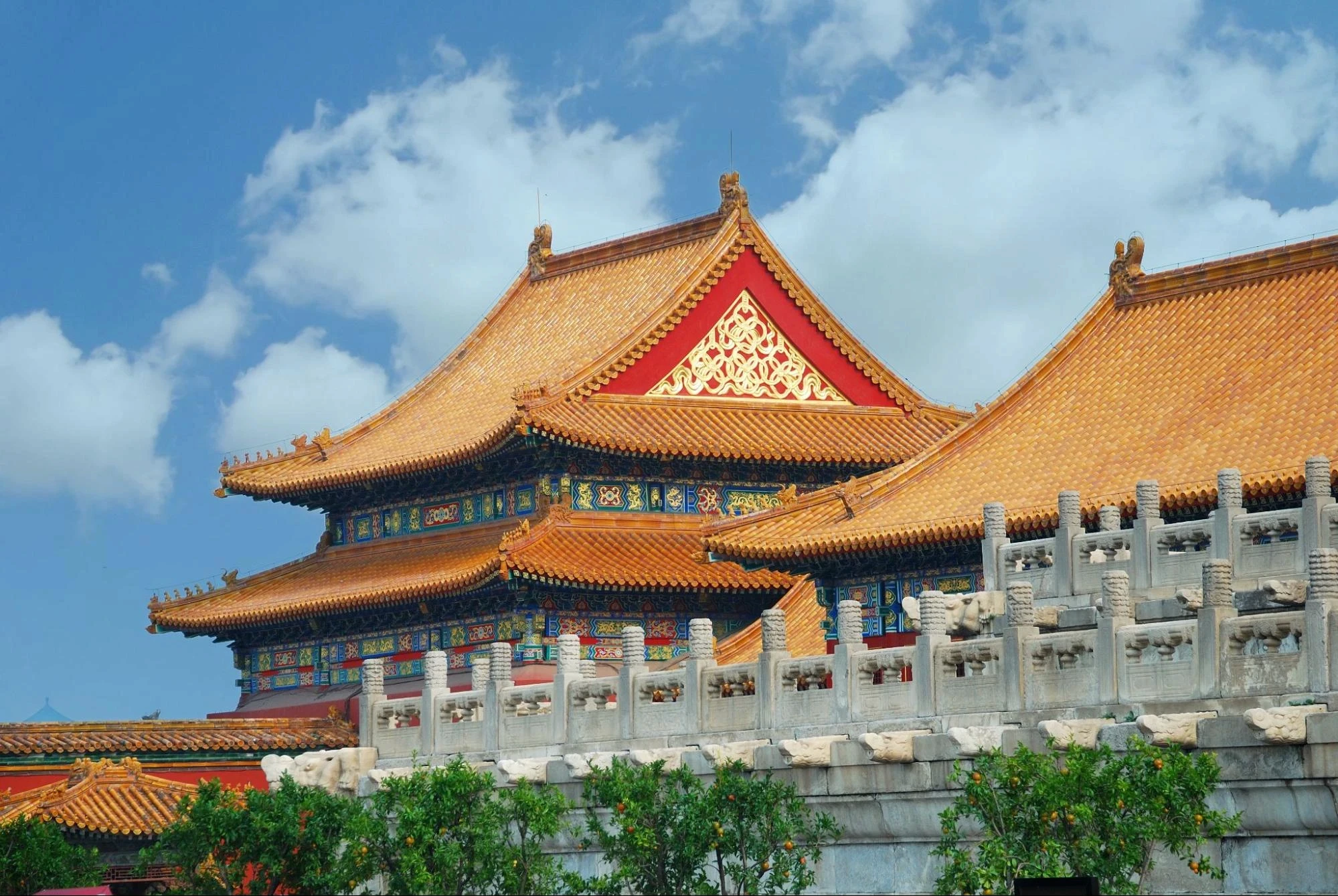
Standing at the heart of Beijing, wrapped in crimson walls and crowned with golden roofs, the Forbidden City remains one of humanity’s most breathtaking architectural achievements. Even in 2026, centuries after emperors last ruled from its Dragon Throne, this vast palace complex continues to command awe, mystery, and admiration.
For nearly 500 years, it was the political and ceremonial centre of China’s imperial universe. Today, it stands not as a relic, but as a living monument, layered with symbolism, artistry, and stories that echo across dynasties.
Let’s explore the history, secrets, and highlights of this timeless masterpiece.
A Palace Built for Heaven’s Son
Construction of the Forbidden City began in 1406 during the reign of the Yongle Emperor of the Ming dynasty and was completed in 1420. It took 14 years and over a million labourers, artisans, and craftsmen to complete this colossal undertaking.
Rare woods were transported from distant provinces, and massive stone slabs were hauled across frozen roads during winter to reduce friction.
Designed according to ancient Chinese cosmology, the palace aligns perfectly along a north-south axis. Every gate, hall, courtyard and carving was planned with strict symbolism in mind. Yellow roof tiles symbolised imperial power. The number nine, associated with supremacy, appears repeatedly in door studs and decorative motifs.
The result? A city within a city, built for the Son of Heaven.
Who Once Walked These Halls?
From 1420 to 1912, the palace served as the residence of 24 emperors, 14 from the Ming dynasty and 10 from the Qing dynasty. These emperors ruled vast territories from within these walls, shaping China’s political, cultural, and economic destiny.
Within the Forbidden City lived not only emperors but also empresses, imperial consorts, princes, princesses, eunuchs, and court officials. At its peak, thousands of people resided inside the palace grounds, forming a strictly regulated, hierarchical society sealed off from the outside world.
The last emperor to reside here was Puyi, who abdicated in 1912, marking the end of over two millennia of imperial rule in China.
How Vast Is This Imperial Marvel?
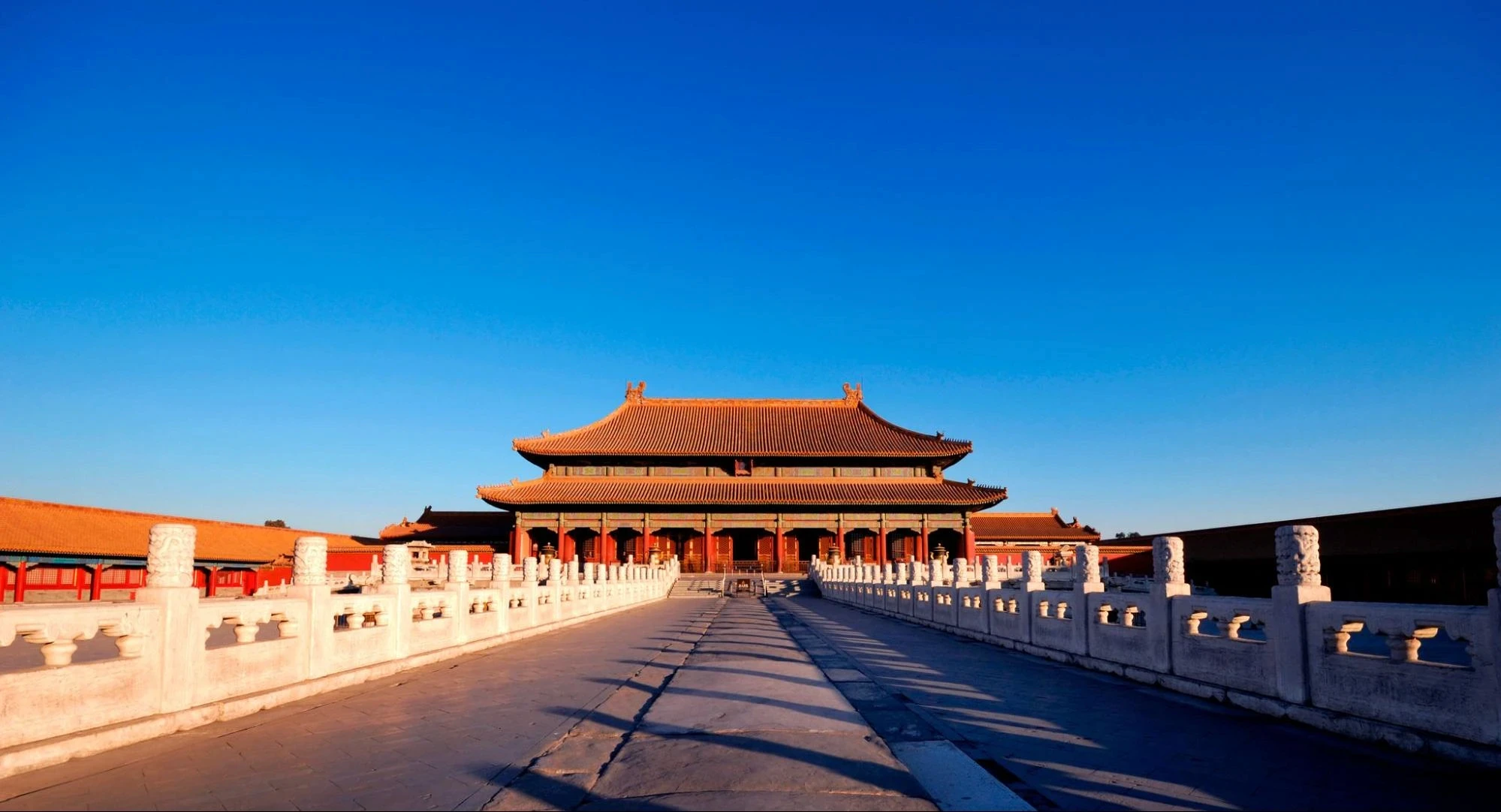
Spanning approximately 720,000 square meters (about 180 acres), the Forbidden City is immense. It contains more than 980 surviving buildings and around 8,700 rooms, making it the largest preserved wooden palace complex in the world.
The layout is divided into two main sections:
Outer Court – Used for state ceremonies and grand imperial rituals.
Inner Court – The private residence of the emperor and his family.
Towering gates such as the Meridian Gate welcomed officials into the imperial domain, while grand halls like the Hall of Supreme Harmony hosted coronations and major state ceremonies.
Why Is Lhasa Called the Forbidden City?
The phrase Why is Ilhasa called the Forbidden City often arises due to confusion between two historic and culturally significant locations.
Lhasa, the capital of Tibet, was historically restricted to outsiders for centuries. Foreign travellers were rarely permitted entry, giving it a reputation for secrecy and spiritual exclusivity. This earned Lhasa the nickname Forbidden City in some historical travel writings.
However, the true Forbidden City refers specifically to the imperial palace complex in Beijing. The name stems from its restricted access: commoners were forbidden from entering without special permission. Unauthorised entry could result in severe punishment, even death. It was a sacred, sealed domain, accessible only to the emperor, his court, and selected officials.
The Meaning Behind the Name
The name Forbidden City translates from the Chinese Zijin Cheng.
Zi (Purple) refers to the Purple Star (Polaris), believed in Chinese astrology to be the celestial home of the Heavenly Emperor.
Jin (Forbidden) reflects restricted access.
Cheng (City) emphasises its vast, city-like scale.
Thus, the palace was conceived as the earthly counterpart of a divine celestial palace — a sacred and exclusive realm.
What It Represents Today
Though emperors no longer reside within its walls, the Forbidden City remains a central symbol of Chinese heritage. Today, it functions as the Palace Museum, one of the most visited museums in the world.
Inside, visitors can explore priceless imperial treasures — paintings, ceramics, jade carvings, calligraphy, and ceremonial artefacts. It preserves centuries of dynastic history and provides insight into imperial life, governance, and artistic achievement.
In 1987, it was designated a UNESCO World Heritage Site, solidifying its status as a global cultural treasure.
Architectural Highlights
1. Hall of Supreme Harmony
The largest wooden hall in China, this was where emperors conducted coronations and major ceremonies. The Dragon Throne sits elevated, symbolising supreme authority.
2. The Golden Water River
A beautifully curved inner river that flows through the palace courtyard, combining aesthetic elegance with feng shui principles.
3. The Nine-Dragon Screen
An exquisite glazed tile wall depicting nine powerful dragons — symbols of imperial strength.
4. The Imperial Garden
Located at the northern end, this serene garden provided a peaceful retreat from court duties, complete with ancient trees and ornate pavilions.
Secrets and Legends
The Forbidden City is steeped in myths. One enduring legend claims it has 9,999½ rooms — just half a room short of the 10,000 rooms believed to exist in Heaven. While modern research confirms fewer rooms, the myth reflects the palace’s symbolic aspiration to divine perfection.
Another intriguing fact: the palace complex is built entirely of wood, yet it has survived numerous earthquakes and fires over six centuries. Its resilience lies in ingenious ancient engineering techniques, including flexible wooden brackets called “dougong.”
Visiting in 2026
In 2026, the Forbidden City continues to blend tradition with technology. Digital guides, augmented reality experiences, and carefully curated exhibitions offer deeper insights into imperial life.
Visitor numbers are strictly controlled to protect the wooden structures and historical artefacts. Advanced preservation efforts ensure that future generations can continue to marvel at its grandeur.
The surrounding Tiananmen Square and nearby historical sites make it an essential stop for anyone exploring Beijing.
Why the Forbidden City Still Matters
The Forbidden City is more than an architectural wonder. It is a symbol of continuity, bridging imperial China and the modern republic. It reflects philosophical ideals, political systems, artistic mastery, and spiritual beliefs.
Standing beneath its golden rooftops, one senses not just history but scale, the weight of centuries layered in stone and timber.
In a rapidly changing world, the Forbidden City remains steady, dignified, timeless, and profoundly human in its story.
How to Visit the Forbidden City from Kerala
For travellers from Kerala dreaming of walking through the grand courtyards of the Forbidden City, planning the journey has become easier than ever in 2026. Direct and connecting international flights operate from major airports in Kerala to Beijing via hubs in the Middle East and Southeast Asia.
To make the experience memorable, curated China tour packages are available from Skytime Tours & Expeditions, one of the best tour operators from Kerala for international travel experiences. Their packages typically include visa assistance, flights, premium accommodation in Beijing, guided visits to the Forbidden City, and excursions to nearby landmarks such as the Great Wall of China.
The Forbidden City remains a marvel not only of architecture but of imagination, a palace built for emperors, preserved for humanity, and still whispering stories in 2026. Check out the 8-day China tour package from Keralacovering, among other beautiful attractions, the iconic Forbidden City.
Frequently Asked Questions
Posts You Might Like
Need Help With Your Next Trip?
INR 165,000.00
Per Adult
4.7
(3.9K)
Customize